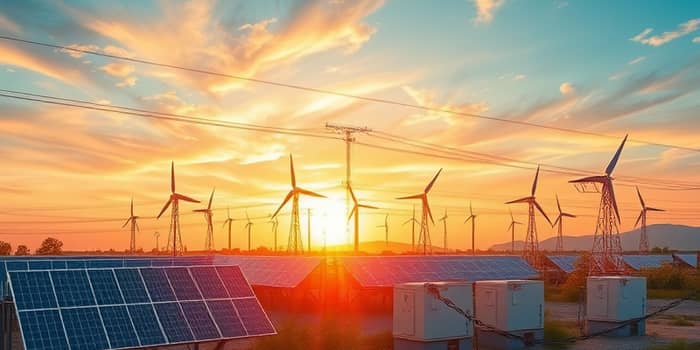
As the world grapples with climate change and energy security, a monumental shift towards renewable energy is underway. In 2025, global investments in clean energy are poised to surpass $4 trillion by 2025, marking a historic turning point. This rapid mobilization of capital not only addresses environmental imperatives but also spurs economic dynamism, technological innovation, and community resilience. From bustling urban centers to remote rural landscapes, the energy landscape is being redefined by solar, wind, nuclear, and storage technologies that promise a cleaner and more secure future.
The scale of recent investments reflects the urgency and ambition of governments, corporations, and financial institutions worldwide. According to the International Energy Agency, clean energy will receive around twice as much investment as fossil fuels in 2025, even as total global energy investment reaches an estimated USD 3.3 trillion. Solar power stands at the forefront with a staggering USD 450 billion in projected spending, while nuclear investment is enjoying a 50% growth over five years, exceeding USD 70 billion as new modular reactor technologies gain traction.
Beyond generation assets, capital is flowing into the infrastructure that underpins a resilient energy system. Investments in battery storage, smart grids, and energy efficiency upgrades are reducing costs and enhancing commercial viability, setting the stage for rapid deployment of decentralized and off-grid solutions. This integrated approach is accelerating the decline in levelized costs for renewables, making clean energy the most affordable path forward in many regions.
Multiple factors converge to fuel this unprecedented wave of funding, each reinforcing the others in a virtuous cycle of growth and innovation:
Geographic dynamics reveal both leading players and emerging markets. China dominates global spending with nearly one-third of the total, matching the combined investments of the US and Europe. India’s non-fossil power capacity is scaling rapidly as it strives to exceed its 2030 targets ahead of schedule. Europe continues to lead on a per capita basis under the EU Green Deal, driving significant offshore wind and solar expansions.
In the United States, clean energy and transportation investments reached USD 67.3 billion in Q1 2025, accounting for 4.7% of all private investment in structures and equipment. Retail consumers fueled nearly half of this spending, while utility-scale solar and storage projects commanded USD 36.5 billion in new announcements. Elsewhere in the Asia-Pacific, Japan and South Korea are making strategic bets on electric vehicles and advanced storage, while Latin American nations like Brazil leverage bioenergy alongside offshore oil production in a transitional energy mix.
Certain segments have emerged as especially attractive to investors seeking strong returns and impactful outcomes:
The above overview highlights where capital is flowing and why each segment plays a critical role in the broader transition. Investors are increasingly looking at integrated portfolios that combine generation, storage, and grid modernization for optimal risk-adjusted returns.
Despite the momentum, several obstacles could stall progress if left unaddressed. Market volatility and political risk remain high, especially in regions with shifting policy landscapes. The security of supply for critical minerals such as lithium, cobalt, and nickel is a growing concern, with bottlenecks potentially slowing battery production and solar PV manufacturing. Inconsistencies in regulatory frameworks and permitting processes, particularly in developing economies, undermine predictability and raise financing costs.
Additionally, access to capital in emerging markets continues to lag due to perceived risks and higher interest rates. Addressing these challenges will require coordinated action among governments, financiers, and industry stakeholders to de-risk projects, streamline approvals, and promote transparency in sourcing and operations.
Looking ahead, the electrification of transport and industry will further expand the addressable market for renewable energy investors. Smart grid deployments and digitalization of energy assets are creating new revenue streams through demand response, peer-to-peer trading, and real-time optimization. Advanced bioenergy and green hydrogen solutions represent frontier opportunities that could disrupt traditional fossil fuel markets.
Industrial decarbonization—covering sectors like steel, cement, and chemicals—remains undercapitalized but stands to benefit from targeted policy support and carbon pricing mechanisms. Emerging economies, while presenting additional risks, offer substantial upside potential for scaling clean energy solutions and enabling greater global access to reliable power.
The global surge in renewable energy investment signifies more than just a shift in financial flows—it represents a collective commitment to a sustainable and equitable future. By channeling capital into generation, storage, and grid infrastructure, stakeholders can foster resilient economies, protect vulnerable communities, and mitigate the impacts of climate change. As the landscape evolves, continued innovation and collaboration will drive deeper decarbonization and unlock new economic opportunities.
Ultimately, the path to a low-carbon world hinges on sustained collaboration among governments, corporations, investors, and civil society. With strategic policy frameworks, robust financing mechanisms, and continued technological breakthroughs, the renewable energy revolution will not only power our modern lives but also safeguard the planet for generations to come.
References